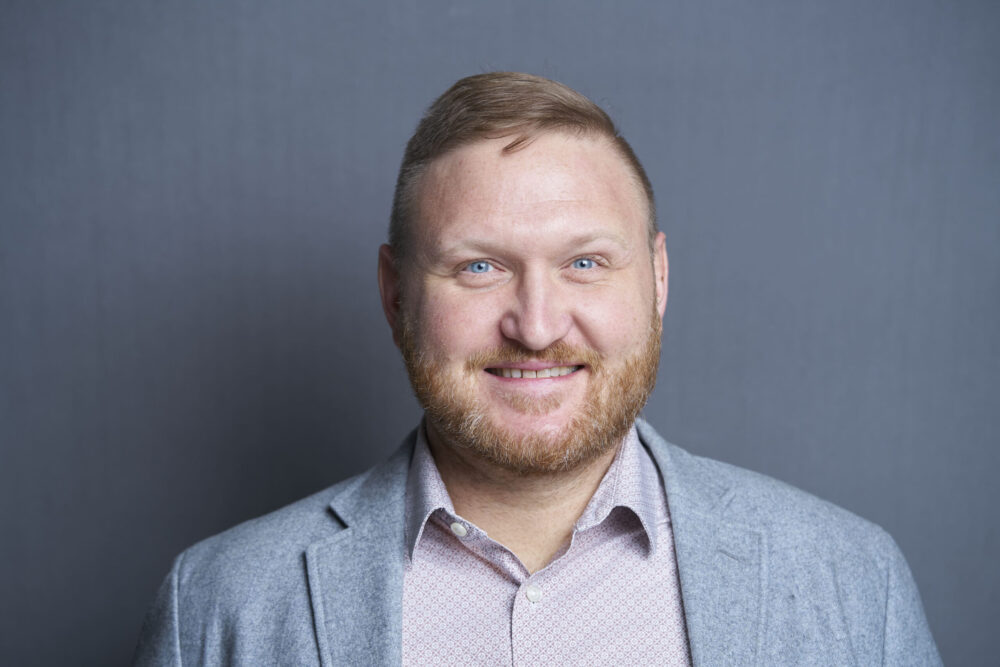
We keep the Best Advice Q&A series going with Jeremy Fromm, evangelist at Mercury Security. He divulges the best advice he’s ever gotten, gives pointers to the security industry pros on the rise and reveals the person to whom he always listens.
Security Sales & Integration: What’s the best piece of advice you’ve ever received?
Jeremy Fromm: The best advice I ever received didn’t come from a mentor or a book. It came from my own team through an anonymous 360 review. Their feedback was direct: I was too quick to take the reins. I jumped in and solved problems myself because it was faster and, by doing that, I was taking the reps away from the people who needed them to grow. I thought I was efficient. I was actually stunting the people around me.
Reading that feedback wasn’t easy but it was accurate. I realized that the ultimate goal wasn’t speed; it was developing people. Coaching takes more time than simply providing the answer. It requires patience, allowing someone to work through challenges even though you could resolve them in minutes.
Ultimately, that approach is what enables people to grow and organizations to build lasting capabilities instead of relying on a single individual.

Once I shifted my focus from solving problems to teaching others how to solve them, the people around me became more capable, the team accomplished more and I stopped being the bottleneck.
Looking back, that lesson continues to shape my work today. Whether it’s through The Mercury Minute, technical briefs or presentations, my goal is the same: to share knowledge in a way that helps others solve problems on their own. That mindset started with a piece of honest feedback that challenged me to become a better leader and it remains one of the most valuable lessons I’ve learned.
SSI: What advice would you give to those looking to achieve success in the security industry?
Fromm: Be bilingual. Don’t limit yourself to becoming the hardware expert. Learn cybersecurity, understand how IT thinks, build relationships with data scientists and become comfortable discussing what data can do. The professionals who stand out are those who can speak the language of cybersecurity, IT and data just as confidently as the language of installation.
Hardware will always be essential and that isn’t going to change. However, technical specifications alone are no longer enough to differentiate yourself. The greatest value comes from being able to discuss how systems are secured and how data can be used to improve security outcomes. Those are skills that can be developed and will continue to set professionals apart.
You can start building that knowledge today, regardless of your role. Learn about the network infrastructure behind the system. Understand the priorities and concerns of security teams. Become the person who can confidently answer technology questions instead of handing them off.
You’ll be recognized as more than a hardware expert over time. You’ll become a trusted professional who is included in the conversations and decisions that shape the future of an organization.
SSI: If you could point to one person in the security industry and tell up-and-comers, “Make sure to listen to what they have to say,” whom would you pick and why?
Fromm: I’ll reframe this a little because the most useful answer isn’t a name. The person worth listening to isn’t a keynote speaker or a familiar face on the show floor. It’s a buyer–specifically a new kind of buyer. So rather than name someone, I’d point to a profile.
“Listen to the customer” has become a cliché. What I mean is specific: the customer has changed and much of the industry hasn’t caught up to who’s making the buying decisions.
I recently started working with a customer who’s had access control at their facilities for 30 years. But the person driving the decision now doesn’t come from an access control background. Their background is cybersecurity. They inherited a system with outdated technology, known vulnerabilities and a team that had spent three decades installing hardware the same way it always had been.
Their goals haven’t replaced the traditional ones. The doors still need to open and the cameras still need to be recorded. But now there’s more. They can’t risk having their enterprise compromised because of a vulnerable door controller or camera. They need visitors to have positive experiences and employees to have a system that’s reliable and doesn’t slow them down.
They also need to do it all while meeting the expectations of the CFO and ownership. Those are much broader and more complex considerations than simply asking, “Does it lock and what’s the price?” They reflect priorities of someone who thinks like a cybersecurity and IT professional.
Not everyone welcomes this change. Some of the traditional hardware professionals feel like they’re losing control, and I understand why. However, it’s happening whether the industry is ready or not. So, listen closely to that new decision-maker, because they’re not outliers. They’re a sign of what’s ahead of us.
The person asking those questions at one facility today is who you’ll be selling across the industry in a few years. I am learning to speak their language now.
Click here to check out the entire Best Advice series!